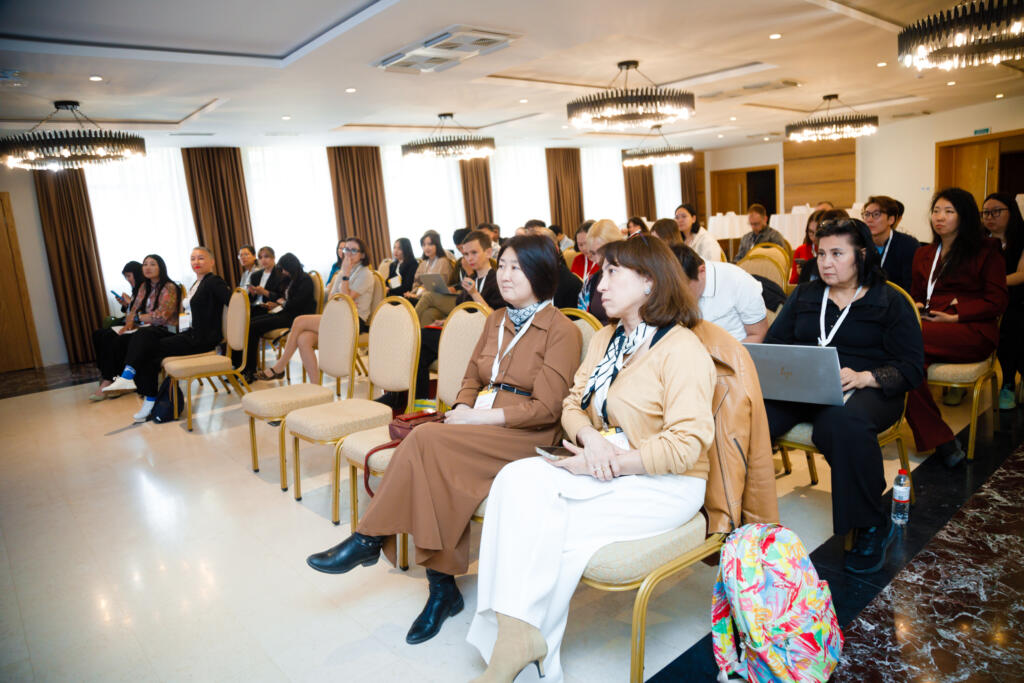
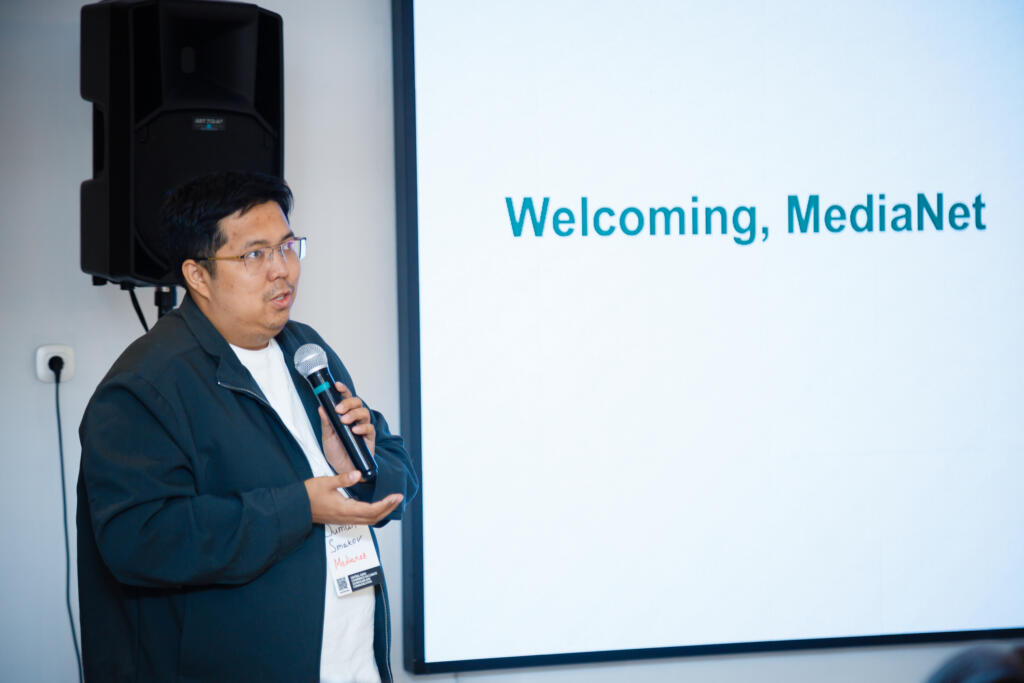
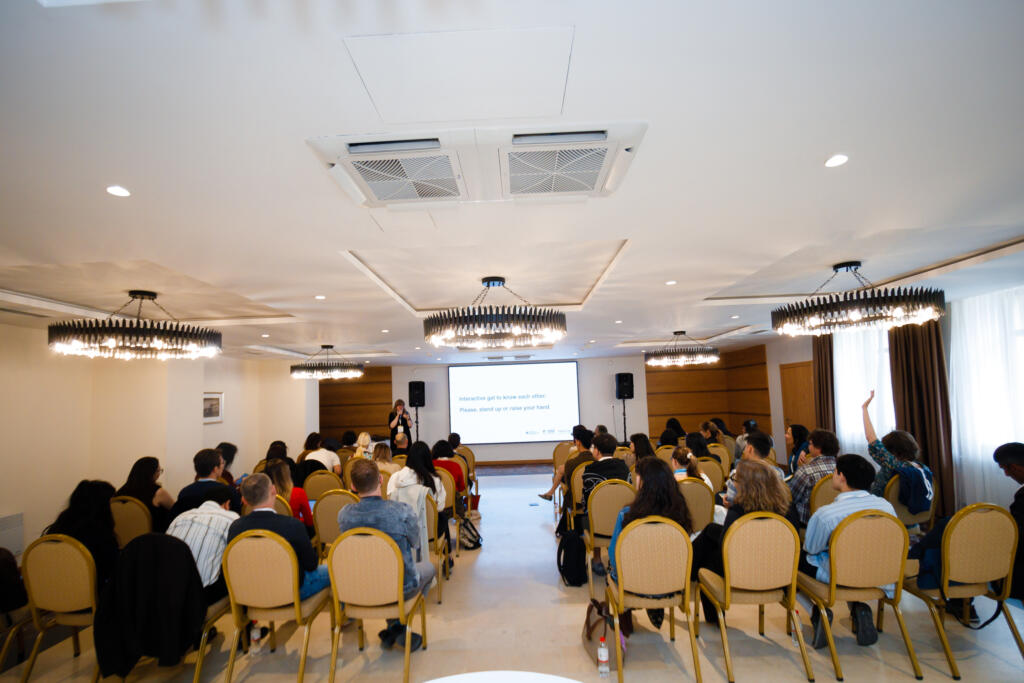
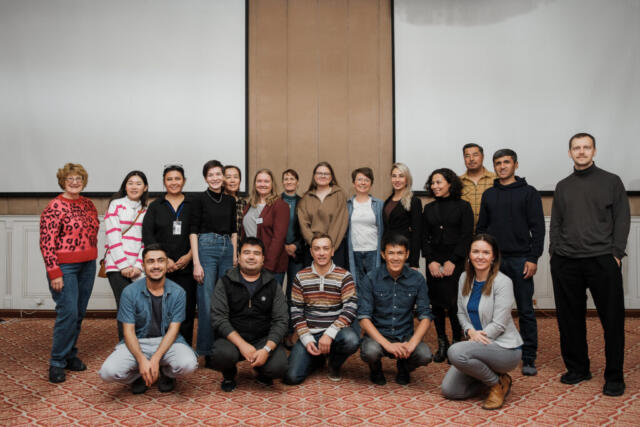
On April 21, 2026, Astana hosted the second Central Asian Climate Journalism & Communication Conference, a one-day gathering dedicated to strengthening climate reporting across Central Asia and connecting regional voices to the global conversation on environmental change. The event was organized by n-ost in partnership with MediaNet within the framework of the Communicating Climate in Central Asia project, funded by the German Federal Ministry of Economic Cooperation and Development (BMZ).
Setting the Tone: Rethinking the Climate Story
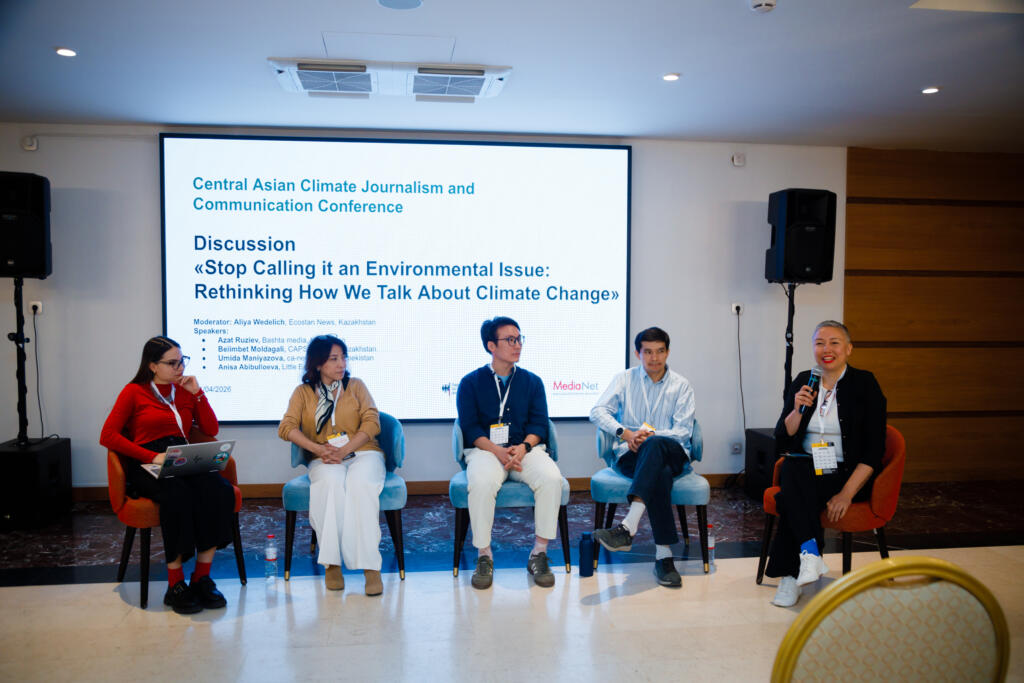
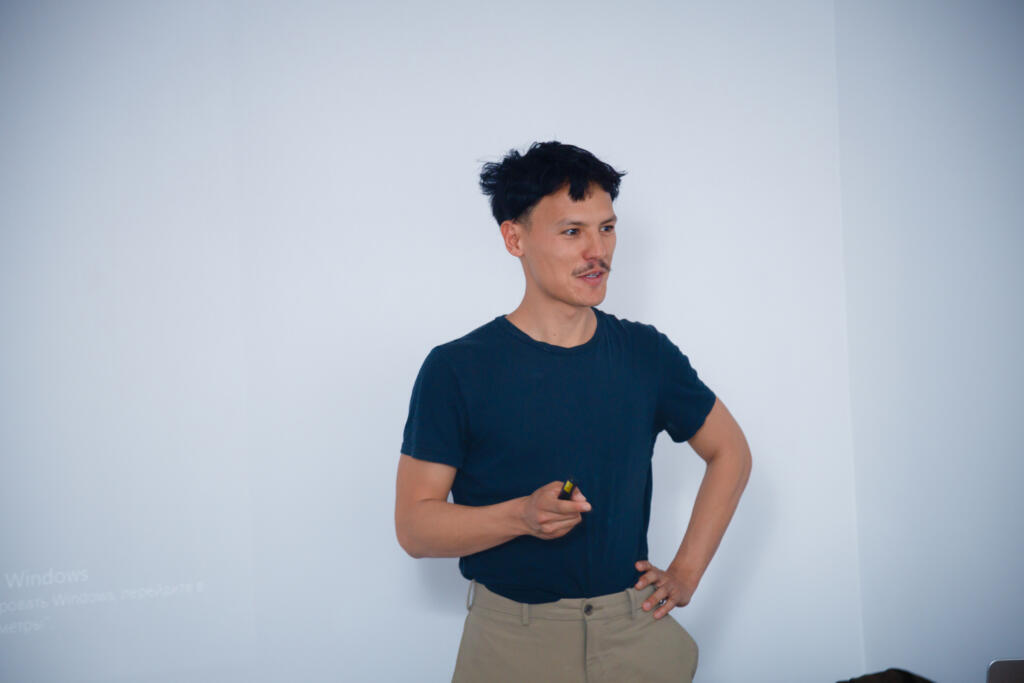
After an opening registration and a lively get-to-know-each-other session, the conference kicked off with a plenary panel discussion: "Stop Calling it an Environmental Issue: Rethinking How We Talk About Climate Change." Moderated by Aliya Wedelich of Ecostan News, the discussion challenged participants to move beyond rigid and clichéd climate narratives and open up new perspectives. Speakers Azat Ruziev (co-founder of Bashta media), Beiimbet Moldagali (CAPS Unlock), Anisa Abibulloeva (Youth environmental organization "Little Earth") and Umida Maniyazova (journalist and founder of ca-news.online) brought diverse regional viewpoints to a conversation about how climate change is framed — and how it could be framed differently.

Parallel Workshops
The heart of the conference was its three rounds of parallel workshops running simultaneously across three rooms, giving participants a wide menu of practical skills sessions, investigation-focused workshops, and communication-oriented discussions.
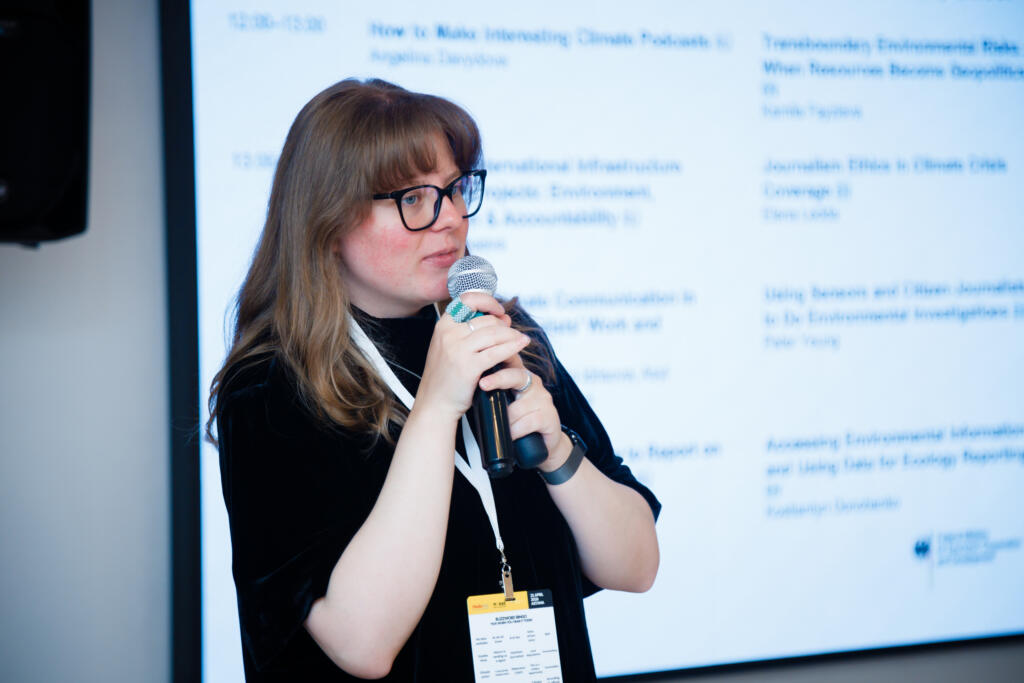
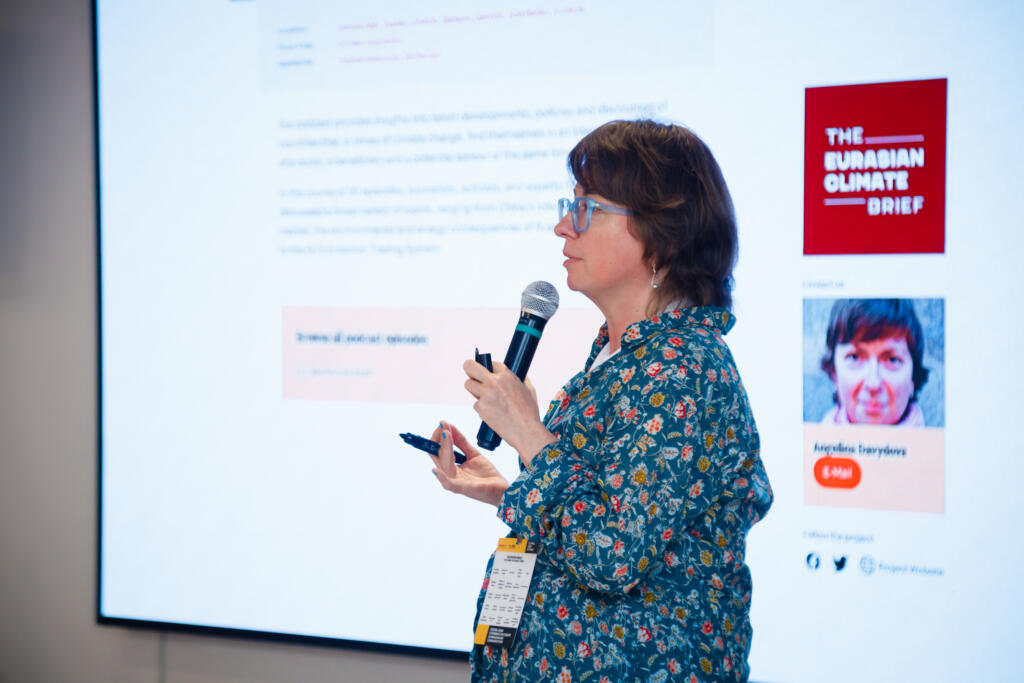
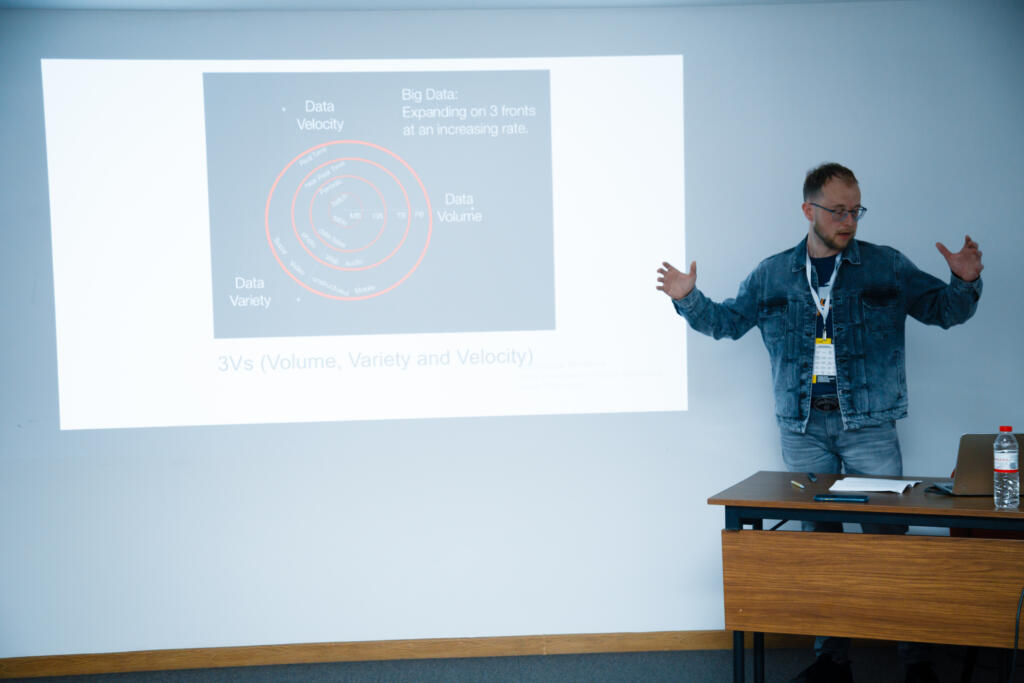
The first round of parallel sessions, held before lunch, covered considerable ground. Kamila Fayzieva did workshop on transboundary environmental risks and how journalists can investigate them through data and international reporting. In a second room, Anisa Abibulloeva and Timur Idrisov helped journalists understand international climate processes and connect them to Central Asian realities. Meanwhile, climate journalist and podcast co-host Angelina Davydova ran a hands-on session on how to make compelling climate podcasts — from choosing themes and guests to structuring episodes — with practical exercises included.
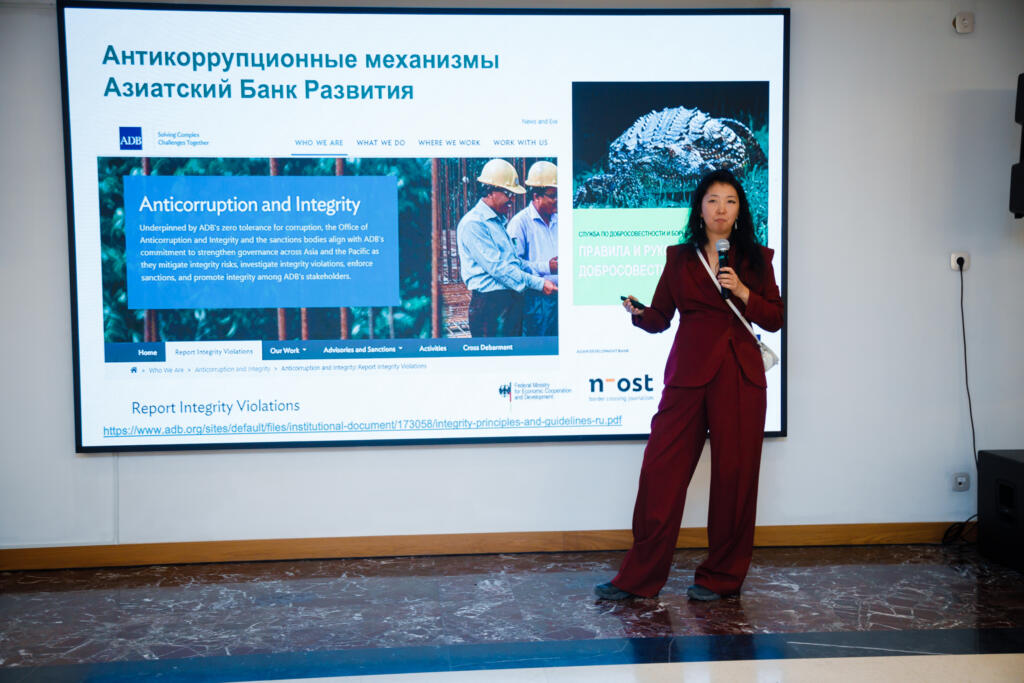
After lunch, the second round of parallel sessions brought yet more variety. Bermet Borubaeva, founder of the #BishkekSmog initiative, led a workshop on monitoring international infrastructure investment projects, showing how journalists can use local and international accountability mechanisms to assess environmental and social standards. In a parallel room, Mariam Kvaratskhelia and documentary photographer Danil Usmanov explored visual storytelling for climate journalism, focusing on how collaboration between journalists and photographers can produce powerful photo stories. The third session in this round, led by Elena Ledda — an independent journalist and journalism professor based in Barcelona — offered a workshop on journalism ethics in climate crisis coverage, drawing on constructive journalism and feminist intersectional perspectives.
The afternoon's third round of parallel workshops offered participants further choice. Azat Ruziev returned to lead a session on creating effective social media content on complex topics, with the emphasis on substance over tools. A discussion panel moderated by Aizirek Almazbekova (CAN EECCA) brought together Natalia Idrisova, Asyl Osmonalieva, and Nargis Kosimova to share practical examples of climate communication from across the region and explore how stories can be adapted for different audiences. And in a third room, award-winning Paris-based journalist Peter Yeung explained how he conducted a cross-border investigation into urban heat in Europe using sensors and citizen journalists, and how participants could apply these methods to their own reporting.
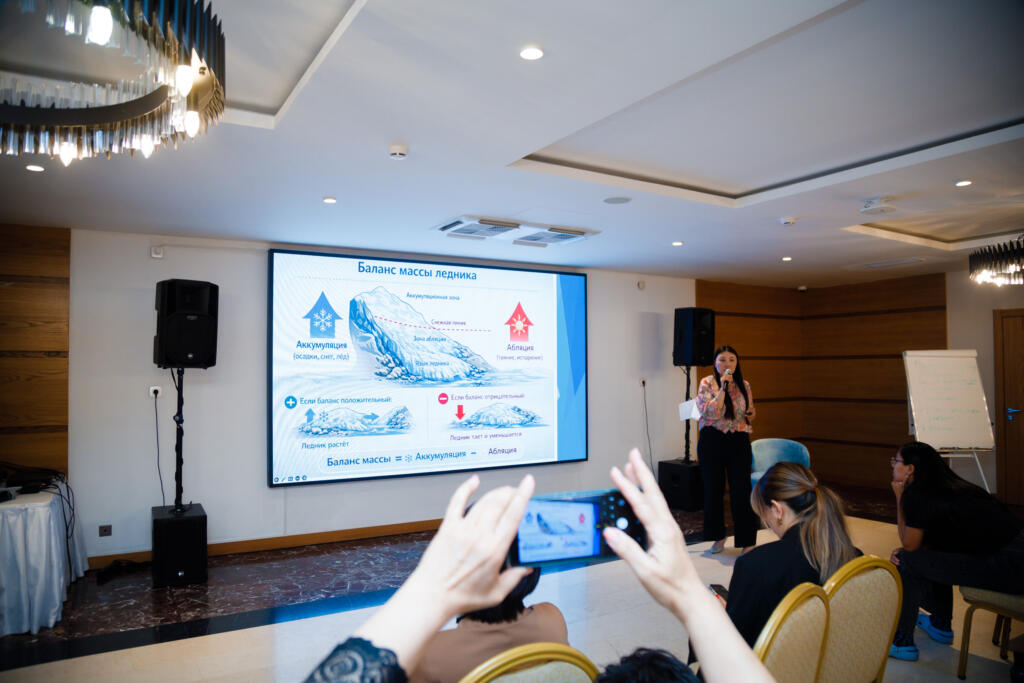
The final session block closed out the day with three more workshops running in parallel. Kostiantyn Donchenko led a session on accessing environmental information and using open data for climate reporting, drawing on examples from Ukraine's public data systems. Glaciologist Gulbara Omorova from the National Academy of Sciences of the Kyrgyz Republic showed participants how to transform glacier research into accessible climate stories using field observations, maps, and data. And Emilia Sulek ran a practical pitching workshop, Pitching Central Asia, helping participants craft story angles that make local topics relevant to international editors.
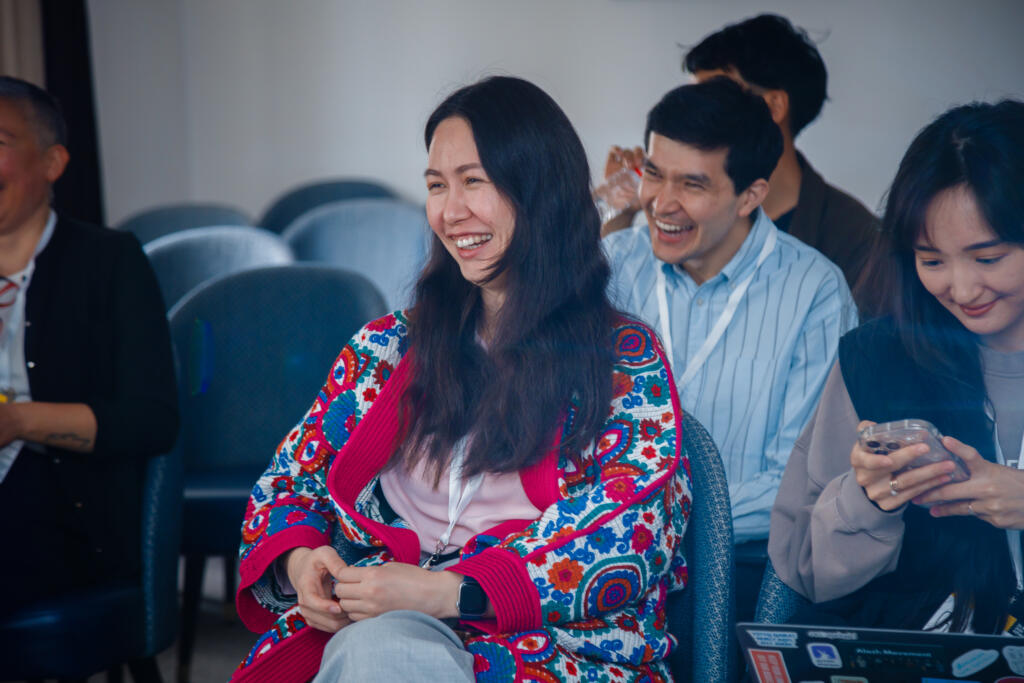
The most valuable insight was the importance of fostering cross-border collaboration to address environmental challenges. I was particularly pleased to see participants not only from Central Asia but also from beyond the region. Expanding this network and exchanging experiences with international colleagues is crucial for journalists and communication specialists, as it provides a broader global perspective on shared issues.
Conference Participant
The most valuable takeaway was the shift from viewing climate change as a purely environmental issue to understanding it as a multidimensional challenge — involving geopolitics, infrastructure, finance, and social systems. The discussions and workshops demonstrated how local stories in Central Asia and Europe can be reframed into cross-border and globally relevant narratives.
Conference Participant
It was very useful for me to expand my network of climate experts, compare their views on the representation of climate issues in the public sphere, and gain a deeper understanding of climate issues.
Conference Participant
A Timely Gathering
The conference was timed to coincide with Kazakhstan's Regional Ecological Summit (April 22–24), a major intergovernmental event co-organized with eighteen UN agencies and attended by around 1,500 participants from governments, international organizations, and civil society. Conference participants were invited to attend the Summit as well, giving journalists direct access to policymakers and environmental experts at one of the region's most significant climate forums in recent years.
More on Climate Journalism
Show all Projects


Our newsletters and podcasts
Cross-border and multiperspective reporting in your inbox
Unit
A monthly overview of project news, selected queer stories and job opportunities. At the moment focused on History Unit, a project about the persecution of queer people under National Socialism and today.

euro|topics
A daily roundup of European media debates, available in English, German, French, Russian, and Turkish.

The Eurasian Climate Brief
The Eurasian Climate Brief is a podcast focusing on climate news in the region stretching from Eastern Europe, Russia down to the Caucasus and Central Asia.

What about Ukraine?
Weekly insights on the war against Ukraine discussed in European media, debunking disinformation, and spotlighting key narratives and voices from Ukraine.

the communEECCAtors newsletter
Communicating Climate in Central Asia curated this newsletter. A monthly newsletter dedicated to strengthening climate journalism and communication across EECCA region.