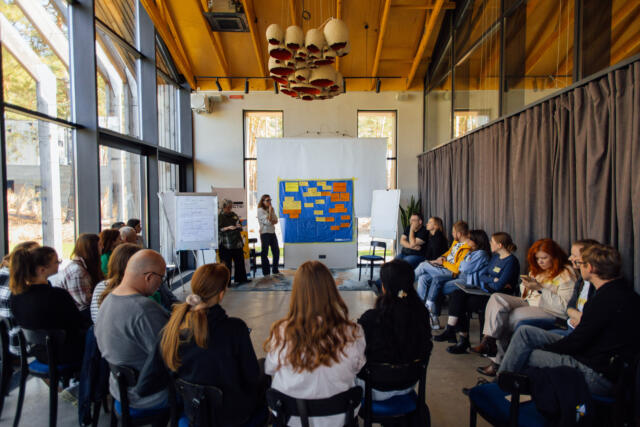
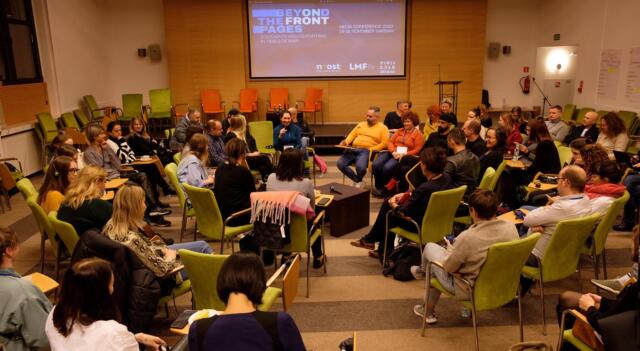
The conversation started with personal impressions from COP30 — not only the formal outcomes and diplomatic choreography, but also what the summit felt like on the ground: expectations, tensions, and the familiar mix of urgency and fatigue.
Brazil after COP30: did the summit shift journalism and public debate?
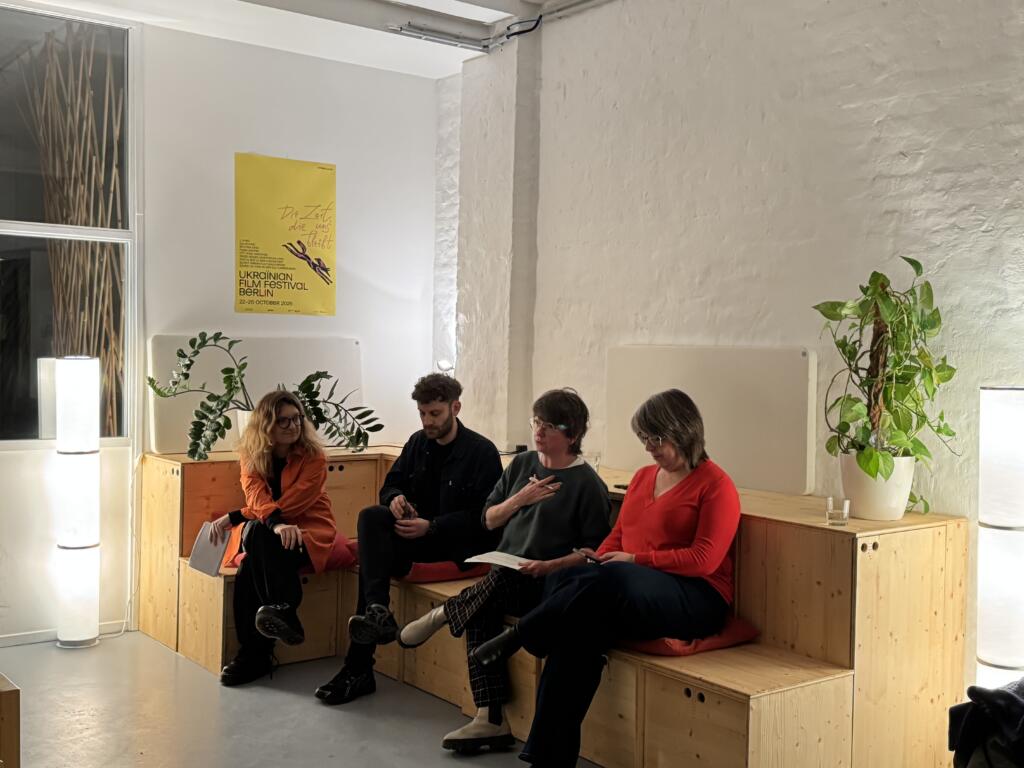
A key part of the discussion focused on Brazil’s media landscape in 2025 and how COP30 affected public debate. Heloísa Traiano reflected on impressions from Brazilian colleagues, including the sense that while the overall trend in media has been difficult in recent years, part of the profession remains committed to covering climate with the same depth and technical competence usually reserved for politics and economics.
Climate journalism: higher awareness, but the same reporting dilemma
Alexandra Endres added another layer: while climate journalism still faces constant pressure, the situation in newsrooms has also changed over the past years. In earlier stages, climate reporters often encountered the argument that “climate doesn’t click.” Today, she argued, the basic level of awareness — among audiences and editorial teams — shaped by moments like the rise of Fridays for Future and climate extremes in Europe.
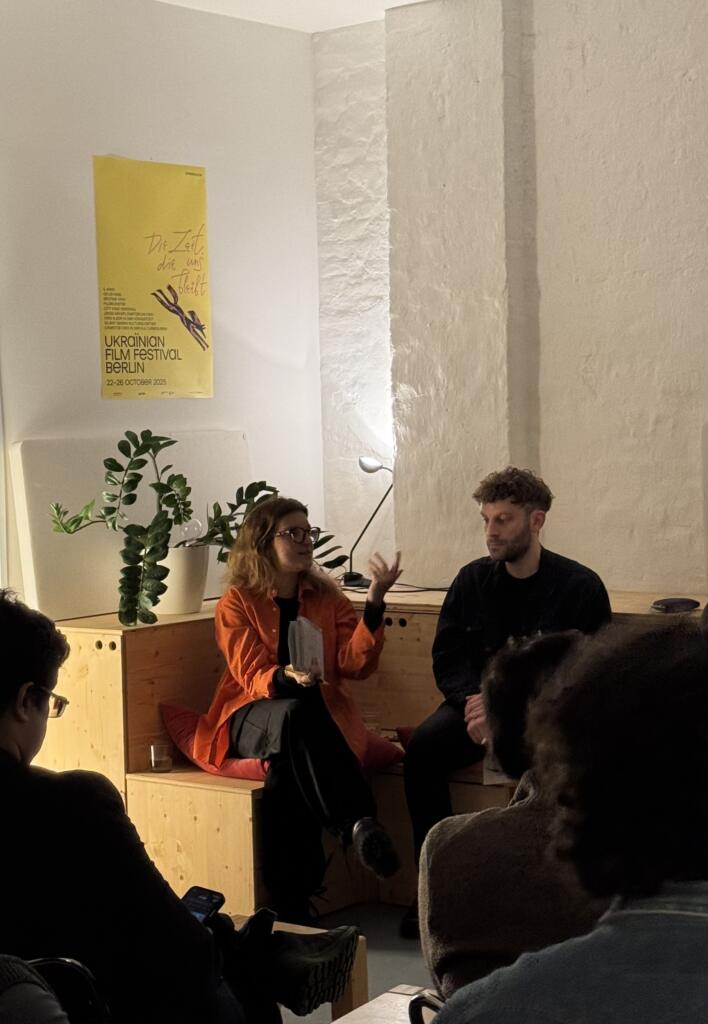
However, the core challenge remains: how to tell climate stories in ways that reach people, without reducing climate coverage to policy announcements, abstract targets, or technical disputes. The discussion returned repeatedly to the question of storytelling — how to cover the crisis honestly, while also avoiding paralysis and fatigue.
Can better storytelling build trust — and counter disinformation?
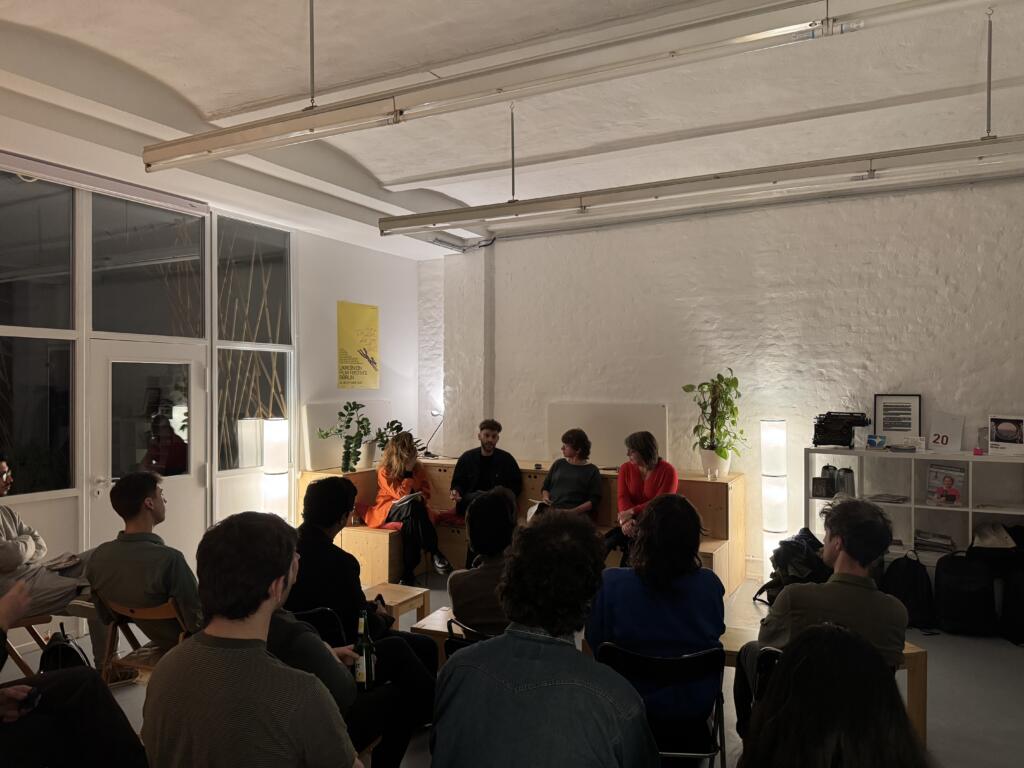
As the final block of the kitchen talk, participants returned to the role of journalism in resisting disinformation and rebuilding trust. They acknowledged that there is no simple solution — but that journalism can become more resilient through a combination of stronger expertise, better formats, and a clearer focus on people.
Constructive approaches and solution-oriented reporting can help audiences stay engaged, but not at the cost of ignoring conflict, inequality, and power dynamics. Climate journalism has to hold both truths at once: the crisis is real and urgent, and there are responses worth covering critically — including their contradictions and limits.
In that sense, COP30 was not only a moment in climate diplomacy, but also a moment that sharpened media questions: who gets heard, who is left out, and what kind of reporting is needed to keep climate reality present in a world increasingly shaped by political conflict and information warfare.

More on Climate Journalism and (Dis)Information and Networking Journalism
Show all Projects















Our newsletters and podcasts
Cross-border and multiperspective reporting in your inbox
Unit
A monthly overview of project news, selected queer stories and job opportunities. At the moment focused on History Unit, a project about the persecution of queer people under National Socialism and today.

euro|topics
A daily roundup of European media debates, available in English, German, French, Russian, and Turkish.

The Eurasian Climate Brief
The Eurasian Climate Brief is a podcast focusing on climate news in the region stretching from Eastern Europe, Russia down to the Caucasus and Central Asia.

What about Ukraine?
Weekly insights on the war against Ukraine discussed in European media, debunking disinformation, and spotlighting key narratives and voices from Ukraine.

the communEECCAtors newsletter
Communicating Climate in Central Asia curated this newsletter. A monthly newsletter dedicated to strengthening climate journalism and communication across EECCA region.