News
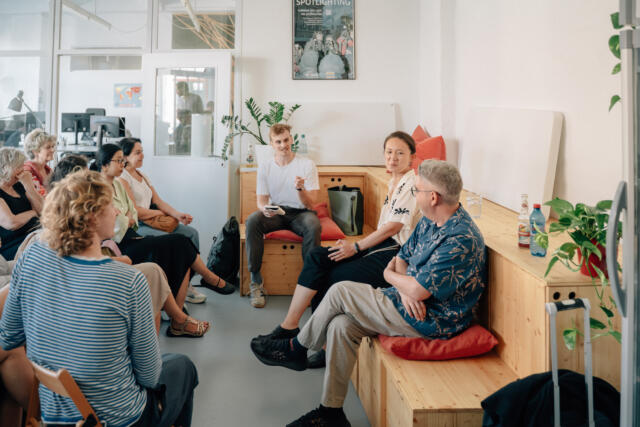
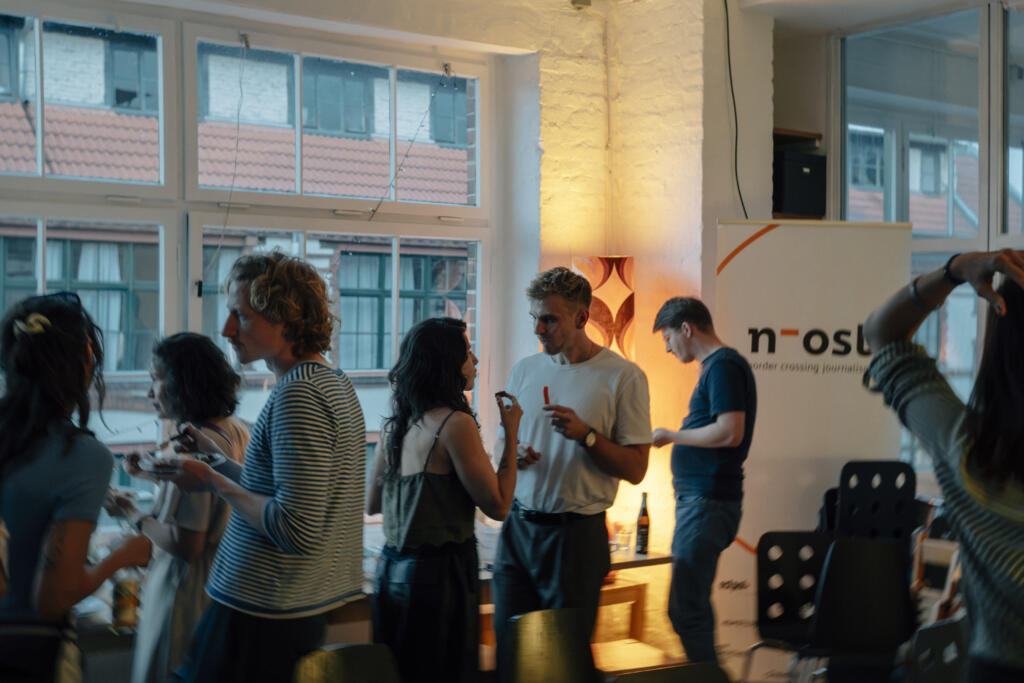
After the kitchen talk: Reporting on Global China
Published on Aug 28, 2026

As front pages are dominated by Russia's ongoing invasion of Ukraine and escalation in the Middle East, China remains a hugely powerful player that is often overlooked by the European public.
Understanding China continues being central to grappling with this turbulent world. However, journalists are facing a dilemma: as Beijing's growing regional and global footprint demands more rigorous reporting, access to reliable information and the room to manoeuvre for journalists covering China are rapidly shrinking.
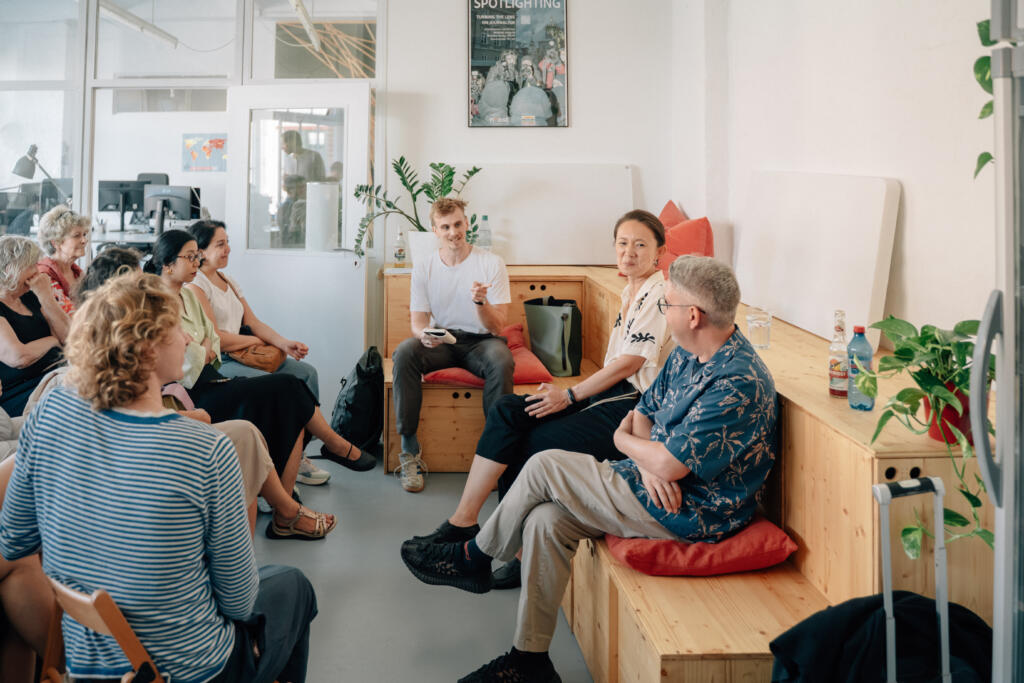
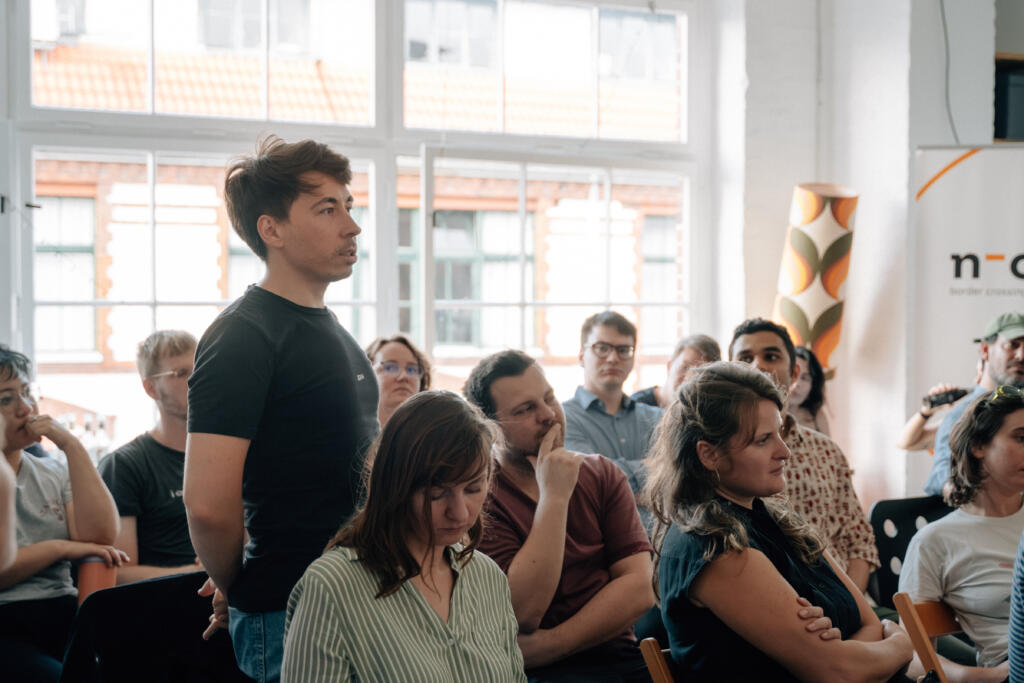
It is this tension our kitchen talk aimed to unpack: What is the reality for journalists working on China under rising pressure? What impact will the country's political and economic practices have, particularly in Eastern Europe? How to look beyond Chinese propaganda and clichéd Western narratives?

The discussion was led by moderator Jacob Mardell, Lead Analyst at Sinification, an organisation that translates and analyses Chinese debates on foreign policy and economics. He was joined by Xifan Yang, a journalist and author who served as Beijing correspondent for DIE ZEIT and currently works as a foreign editor for the outlet, and Filip Noubel, a media trainer and editor-at-large at Global Voices and Asymptote Journal.
Besides the above questions, topics included the lack of China expertise in the media landscape and the ensuing need for cross-border cooperation between trainers, journalists and NGO staff. Furthermore, our speakers called for a thematically more nuanced and people-centered approach in reporting on China, given the dominance of geopolitics and great power play in the media discourse. Another aspect was the relationship between China and Central Asia, a region experiencing strong migration movements from China as well as Chinese political and economic influence.


Cross-border and multiperspective reporting in your inbox
A monthly overview of project news, selected queer stories and job opportunities. At the moment focused on History Unit, a project about the persecution of queer people under National Socialism and today.

A daily roundup of European media debates, available in English, German, French, Russian, and Turkish.

The Eurasian Climate Brief is a podcast focusing on climate news in the region stretching from Eastern Europe, Russia down to the Caucasus and Central Asia.

Weekly insights on the war against Ukraine discussed in European media, debunking disinformation, and spotlighting key narratives and voices from Ukraine.

Communicating Climate in Central Asia curated this newsletter. A monthly newsletter dedicated to strengthening climate journalism and communication across EECCA region.