Project
For the first time since World War II, a far-right political party has a realistic chance of winning a governing majority in a state election in Germany, a scenario long considered unthinkable. But this is not just a political story. It is also a story about the forces reshaping public discourse: platform algorithms, disinformation networks, fragmented audiences and political actors willing to exploit all three.
Hosted in Berlin on 2–3 October, just weeks after pivotal local elections, this n-counter brings together journalists from Germany and across Central and Eastern Europe to examine this moment together. What can Germany learn from journalists in countries that have spent years grappling with media capture and authoritarian pressure? What is the media sector still failing to see? And what does it take, professionally and personally, to navigate this fast-changing reality with integrity and purpose?
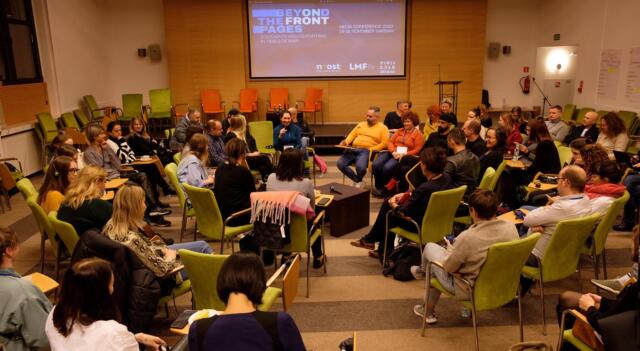
Part conference, part reunion, this is a gathering of the wider n-ost community: members, partners, friends, and colleagues from across Europe. Through conversations, workshops and shared reflection, we will draw on our different experiences and perspectives to challenge assumptions, learn from one another and make sense of a rapidly changing landscape.
Ahead of the main gathering in Berlin, a select cohort of journalists from Central and Eastern Europe will spend three days on the ground in Saxony-Anhalt in the immediate aftermath of the state elections. Exploring local sociopolitical dynamics, rising illiberalism, and civil society responses, their field observations will directly inform the n-counter conversations.
Applications for this research trip are now closed. · Read details
How does journalism reclaim reality in a shifting information ecosystem?
A series of satellite events across six Berlin newsrooms will examine this central question. Each session explores a different front line in the fight for reliable information.
11:00 AM
Die Zeit | Multiperspectivity and depolarisation
with Katrin Scheib, News Editor
Reporters Without Borders Germany | Algorithms and big platforms
with Christian Mihr, Managing Director
Krautreporter | Community-driven journalism
with Isolde Ruhdorfer, Foreign Affairs Editor, and Anna Pointinger, Executive Board Member
03:00 PM
PULSE | Cross-border collaboration
with Lola García-Ajofrín, Senior Journalist, El Confidencial, Chiara Sighele, Executive Director, Centro per la Cooperazione Internazionale, Paul Salvanès, Co-Founder and CEO, Voxeurop of PULSE Collaborative Desk
taz | Confronting far-right narrative capture
with Gareth Joswig, Domestic Editor, Konrad Litschko, Reporter
Clean Energy Wire (CLEW) | Climate reporting
with Clemens Schöll and Boris Schneider, Program Managers
NOTE: Registration for Satellite Sessions is now closed.
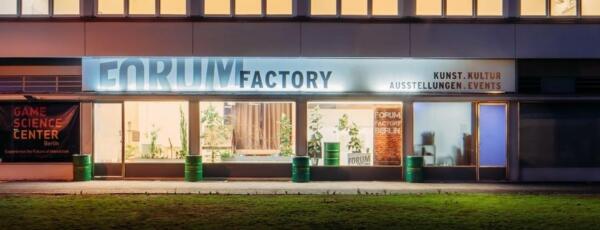
Location: backspace, Forum Factory
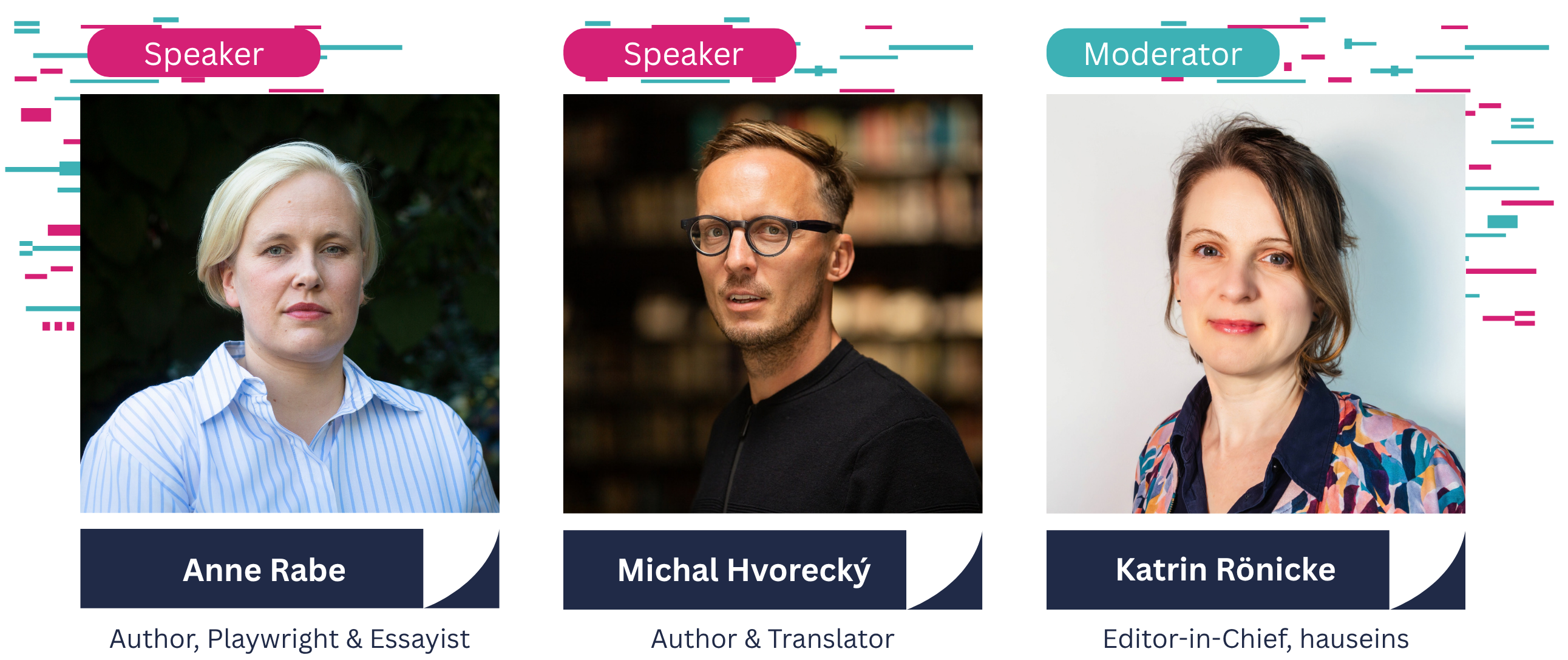
How did unresolved histories and polarised media ecosystems pave the way for today’s far-right drift? Authors Anne Rabe (Die Möglichkeit von Glück) and Michal Hvorecký (Troll, Dissident) examine the fragile state of public discourse across East Germany and Central Eastern Europe.
From historical silences to the weaponization of modern media, this opening conversation sets the stage for a critical reflection on independent journalism and democracy in an age of rising authoritarianism. A keynote dialogue between two writers, followed by a collective activation and networking session.
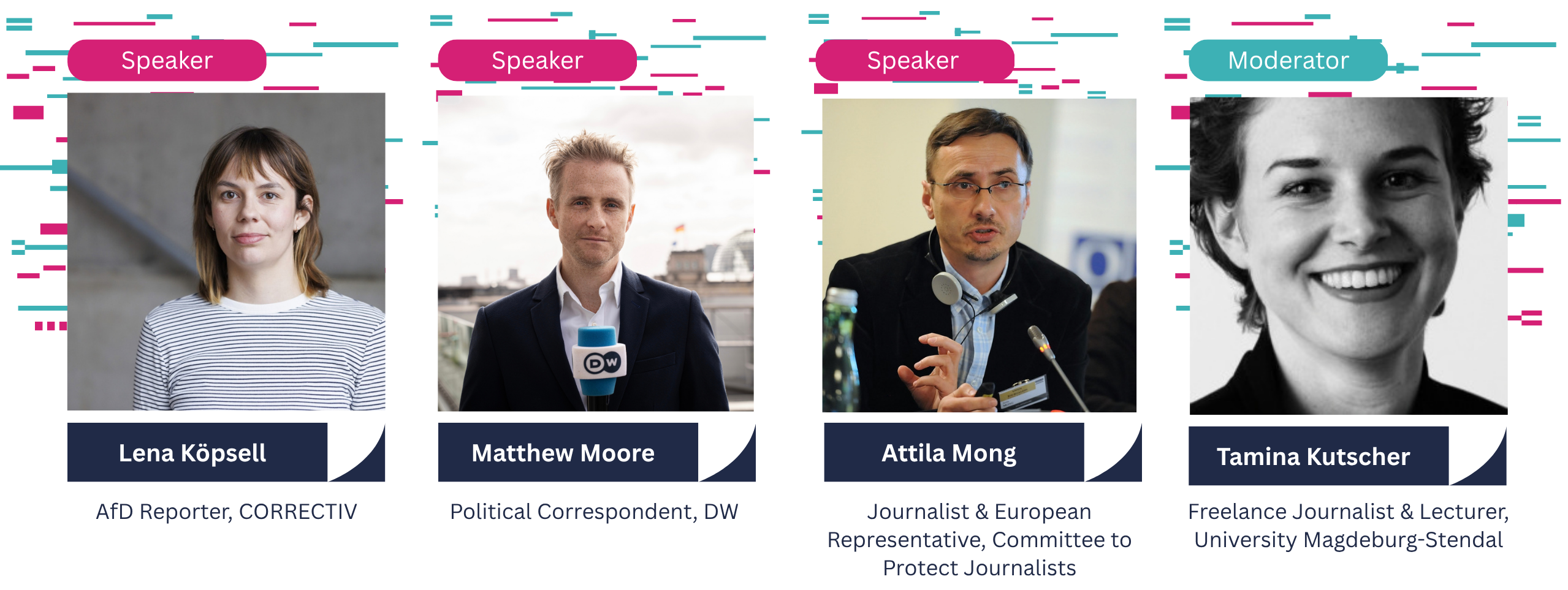
What questions would journalists from countries with years of experience reporting on democratic erosion ask Germany today? This panel brings together political reporters from Germany, Hungary, and the UK to examine the seminal rightward shift in German politics. By analysing the AfD's unprecedented state election victories, the panel explores the growing presence of far-right politics in Germany's democratic institutions and media.
Together, the speakers explore what drives illiberal actors from the margins to state capture, and what agency journalists hold in these processes. Following a mutliperspective discussion with a targeted spotlight on the German press dilemma, the session will conclude with an interactive audience Q&A.
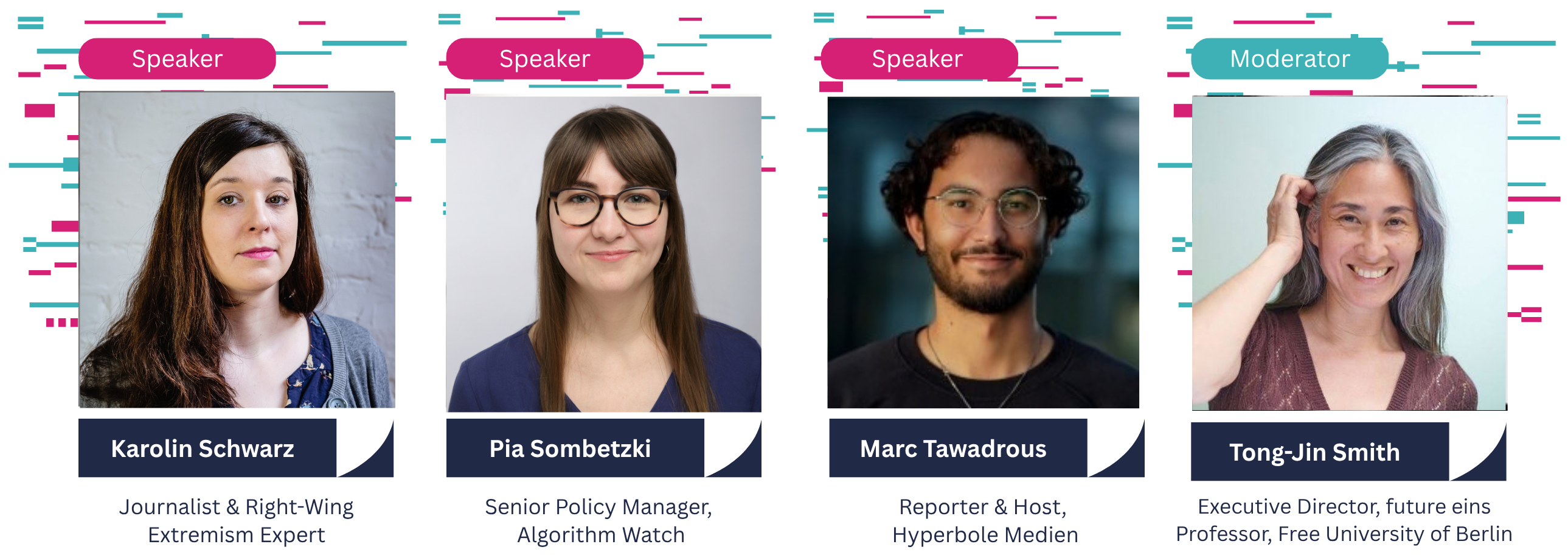
Evolution in real time. Each speaker presents a vision for the future of journalism, intended to tackle some of the most pressing factors actively reshaping the field: disinformation (Karolin Schwartz), platform algorithms (Pia Sombetzki), and youth media consumption and new formats (Marc Tawadrous).
How can journalists adopt new forms of reporting to actually reach their audiences and structure public debate more effectively under today's conditions? Rather than offering utopian ideals, the panel delivers pragmatic strategies on what must radically change, and what practices are still worth preserving.
After each speaker pitches their vision in a lightning talk, the audience is invited to challenge and build on these ideas together.
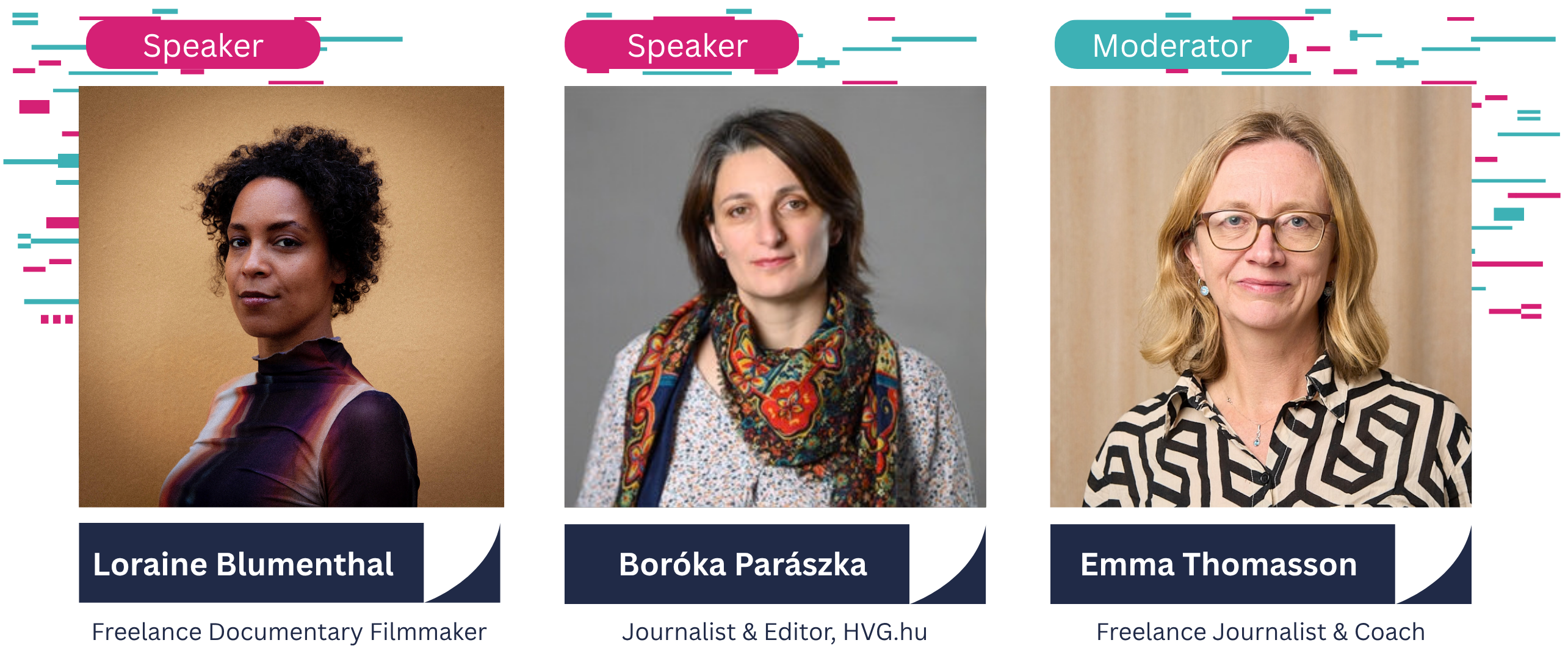
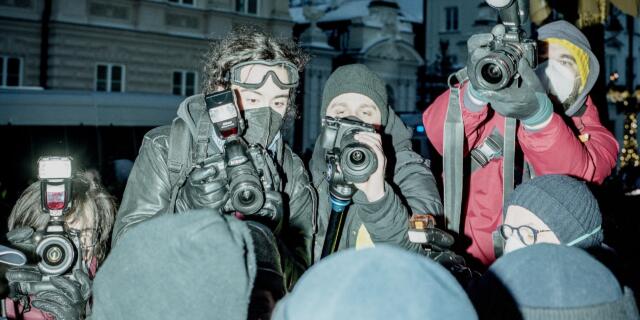
As political realities shift, reporting on extremes is rarely just a job. Beyond observing the story, journalists face real targeting, growing fatigue, financial uncertainties and complex questions of responsibility. This session creates space to reflect on what it means to be a journalist when you are no longer just observing a movement, but living alongside it.
From spending years following an ex-far-right extremist to facing government-led smear campaigns herself, two journalists share what happens when reporting crosses into their own lives. Following this intimate conversation, the audience is encouraged to reflect on what they wish to carry forward and share their experiences.
Location:
Ciao Ciao Bar
Falckensteinstraße 47/48
10997 Berlin
Join us to wrap up n-counter with drinks, a DJ set by Mustelide, and informal networking to celebrate the end of the conference.
NOTE: Registration for n-counter is now officially closed. Thank you so much to all who applied and reserved their spots! We can’t wait to bring everyone together.
Already registered? Watch your inbox for schedule details, attendee guidelines, and event access.
Still hoping to join us? Spots are fully booked, but if you're deeply interested in attending, please reach out directly to Eli Hlavinka at hlavinka@n-ost.org and we'll see what we can do.
Check out all the participating journalists listed here. This is what brings them together.
See all network members
Independent journalist and research fellow, Free University of Berliin
Berlin, Germany
North Caucasus staff writer, Open Caucasus media
Prague, Czech Republic
Host & Writer, Die Da Oben
Journalist, Correctiv
Political Correspondent, DW
Journalist & Moderator, Freelance
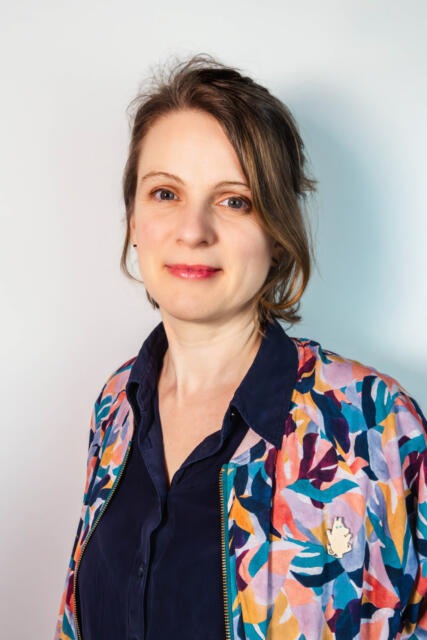
Editor-in-Chief, hauseins
Berlin, Germany
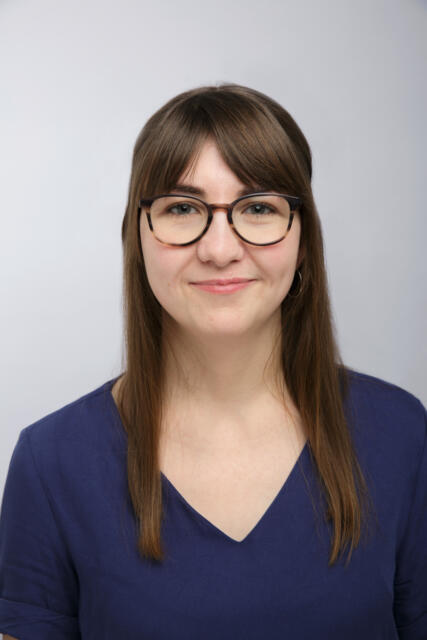
Senior Policy Manager, Algorithm Watch
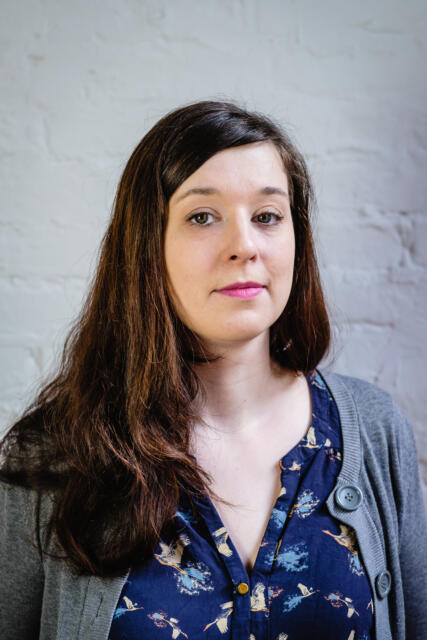
Journalist & Analyst, Freelance

Author
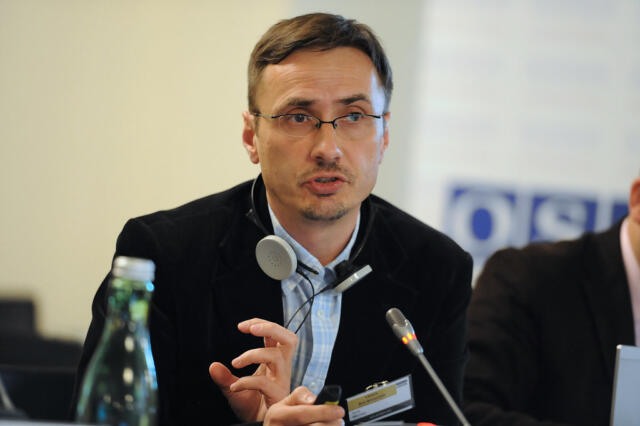
Journalist, CPJ
Berlin, Germany
Author
Bratislava, Slovakia
Documentary Filmmaker, Freelance
Journalist, hvg.hu
Targu Mures, Germany
Freelance Journalist
Berlin, Germany
Head of Media Campaigns, ecfr
Berlin, Germany
Cross-border and multiperspective reporting in your inbox
A monthly overview of project news, selected queer stories and job opportunities. At the moment focused on History Unit, a project about the persecution of queer people under National Socialism and today.

A daily roundup of European media debates, available in English, German, French, Russian, and Turkish.

The Eurasian Climate Brief is a podcast focusing on climate news in the region stretching from Eastern Europe, Russia down to the Caucasus and Central Asia.

Weekly insights on the war against Ukraine discussed in European media, debunking disinformation, and spotlighting key narratives and voices from Ukraine.

Communicating Climate in Central Asia curated this newsletter. A monthly newsletter dedicated to strengthening climate journalism and communication across EECCA region.