News
After the kitchen talk: Dismantling Orbánism – Scenarios for a new Hungarian Media Landscape
Published on Mar 25, 2026
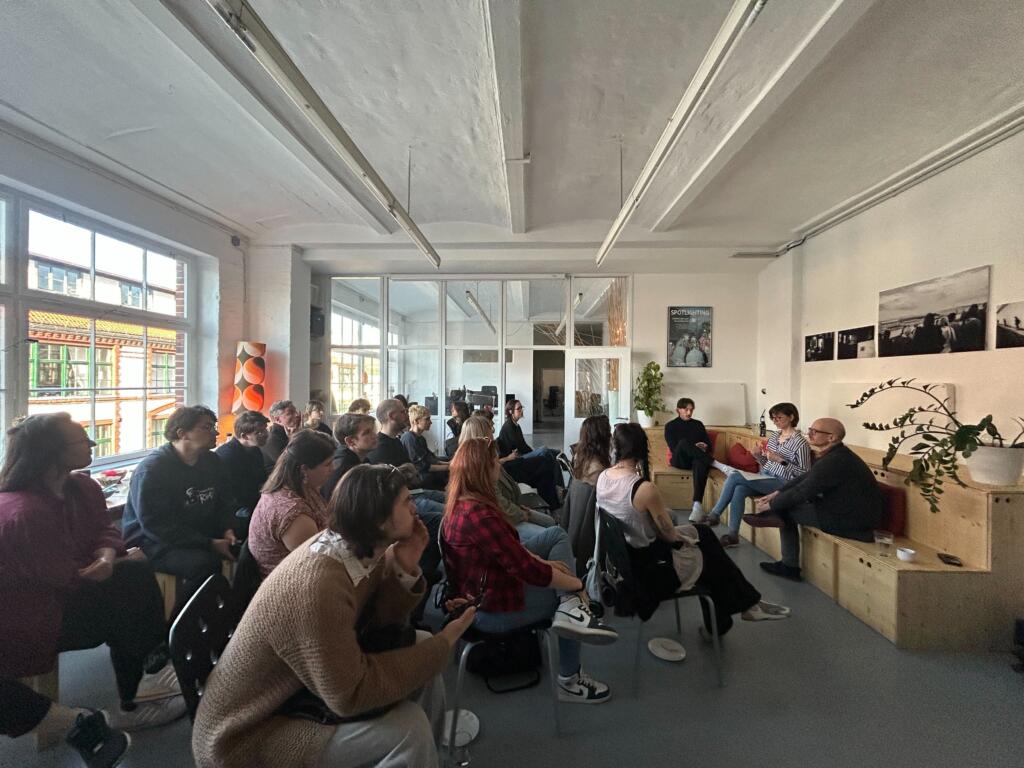
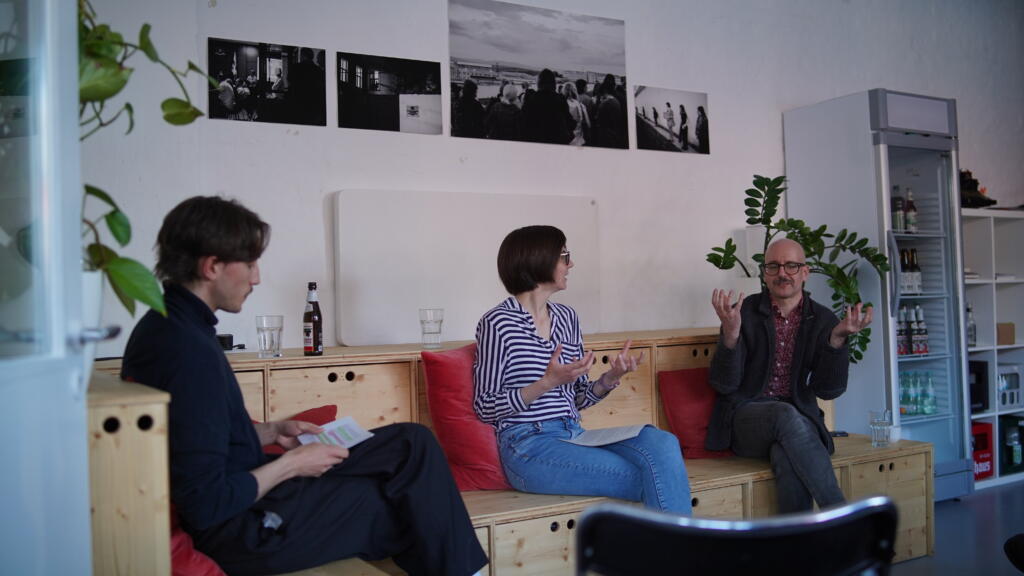
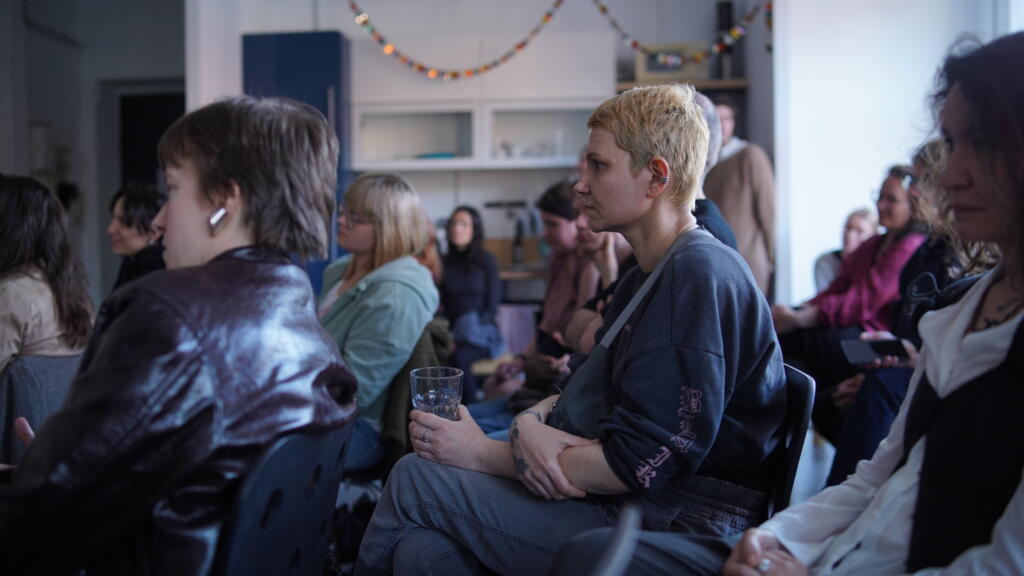
n-ost was happy to host a lively discussion between the audience – made up of n-ost friends and interested Berliners – and our guests Dóra Diseri, journalist and head of the Hungarian service of Deutsche Welle, and communication expert Dániel Fehér. After sharing their personal impressions of the election and 'the day after', our speakers mapped out potential ways forward for the Hungarian media in light of this historical power transition.
Key questions discussed included what pressures independent and state-controlled media in Hungary had faced under the rule of Viktor Orbán's Fidesz, and how the country can come to terms with years of strategic violation of journalistic independence.
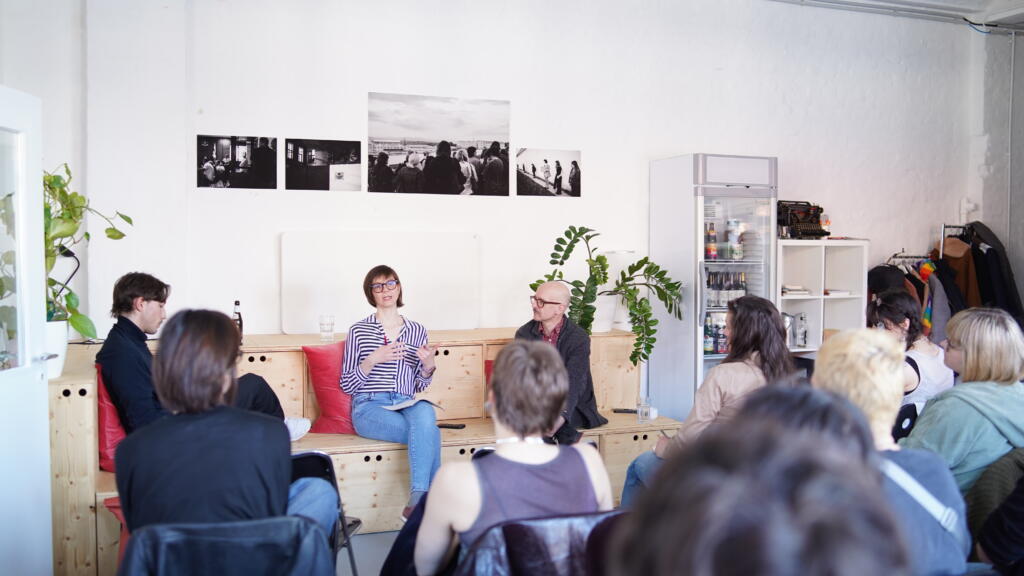
Moreover, moderator Marc Bräutigam of n-ost sought the speakers' assessment of how to build a public service media that truly serves the public, given that few journalistic structures remain after state media were rebuilt to serve as propaganda mouthpieces for Orbán and his allies.
Dóra Diseri touched upon the changing role of independent private media outlets at risk of waning public and financial support. As a civil society activist and co-founder of the Freie Ungarische Botschaft (Free Hungarian Embassy), a diaspora organisation that advocates for democracy in Hungary, Dániel Fehér highlighted the challenges of a polarised society in which millions still voted for Orbán and his party, despite its responsibility for a crippling economy in a downward spiral.
Finally, the value of journalistic cooperation was emphasised. As well as a documentary on corruption in government circles attracted millions of viewers and hit Fidesz like a bombshell right before the parliamentary elections, investigative pieces such as the VSquare research into the the Hungarian government's relations with the Kremlin are thought to have impacted the trust even of loyal Fidesz voters in the elite. Following Orbán's defeat, our discussion also revolved around the questions how collaboration between journalists in Hungary and beyond might change and what can we do to enhance it.
Cross-border and multiperspective reporting in your inbox
A monthly overview of project news, selected queer stories and job opportunities. At the moment focused on History Unit, a project about the persecution of queer people under National Socialism and today.

A daily roundup of European media debates, available in English, German, French, Russian, and Turkish.

The Eurasian Climate Brief is a podcast focusing on climate news in the region stretching from Eastern Europe, Russia down to the Caucasus and Central Asia.

Weekly insights on the war against Ukraine discussed in European media, debunking disinformation, and spotlighting key narratives and voices from Ukraine.

Communicating Climate in Central Asia curated this newsletter. A monthly newsletter dedicated to strengthening climate journalism and communication across EECCA region.